Latest developments

New Galley Shelter
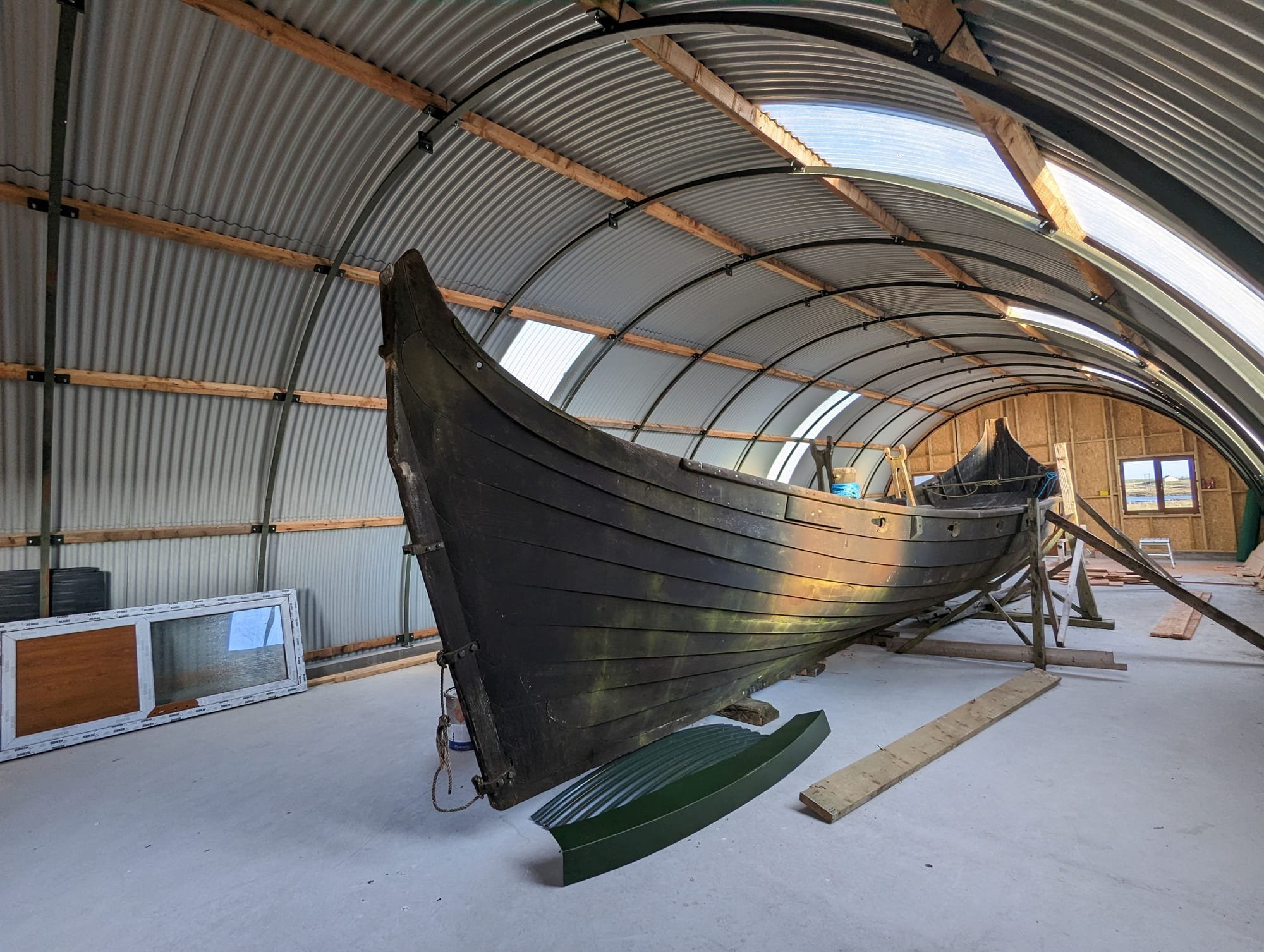
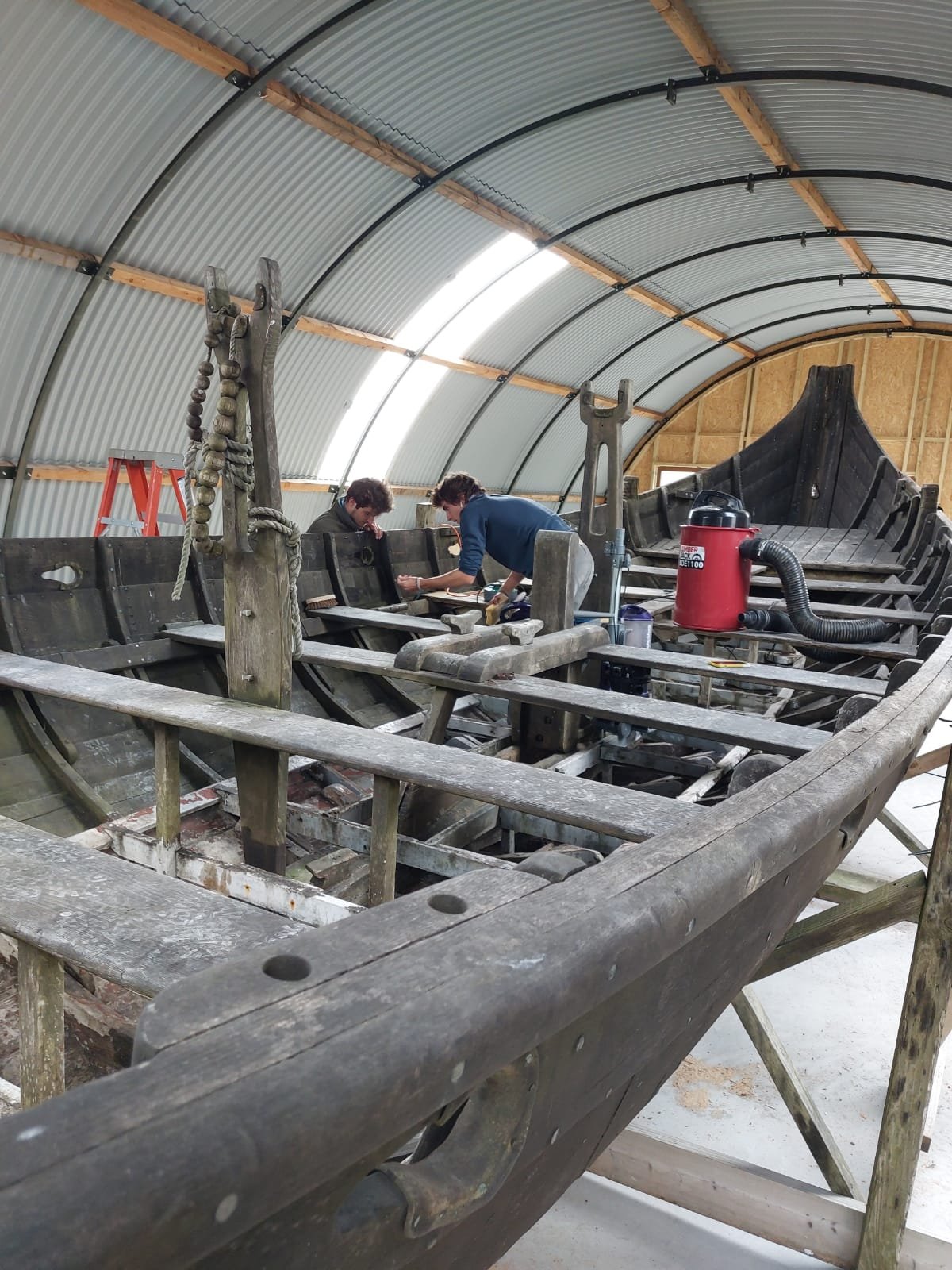
We have now completed the build of our Shelter. Over the next few months we shall install displays to tell the story of Aileach from Wallace Clark's Dream of seeing galleys sail again in Hebridean Waters to reality and now to her home at Kildonan.

A dull exterior
So far, a dull exterior, but we shall transform this over the next few months
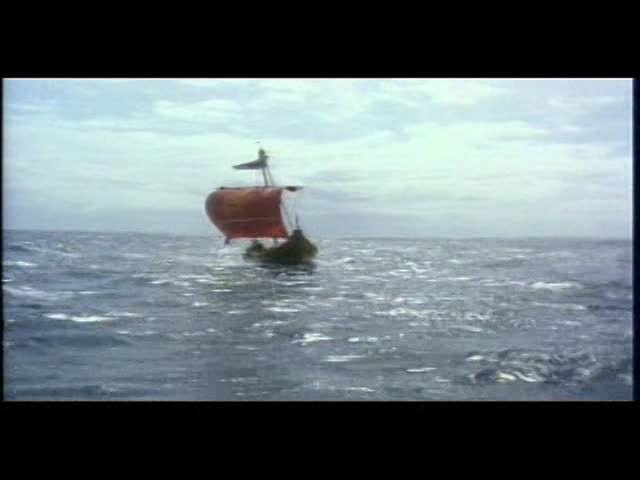
Short Storm Voyage
Galley Gallery









The Lordship of the Isles

| Origins of the Galley |
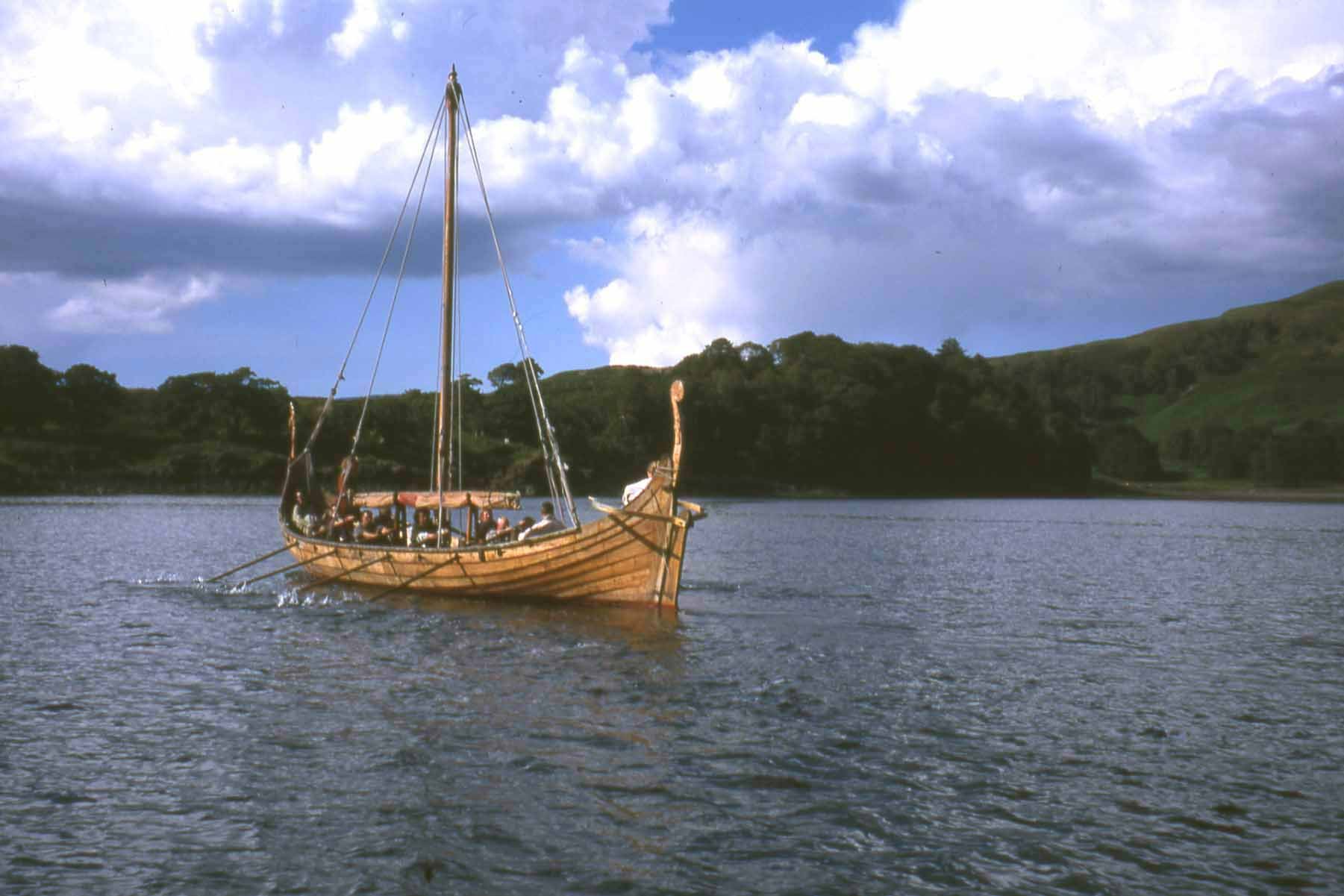
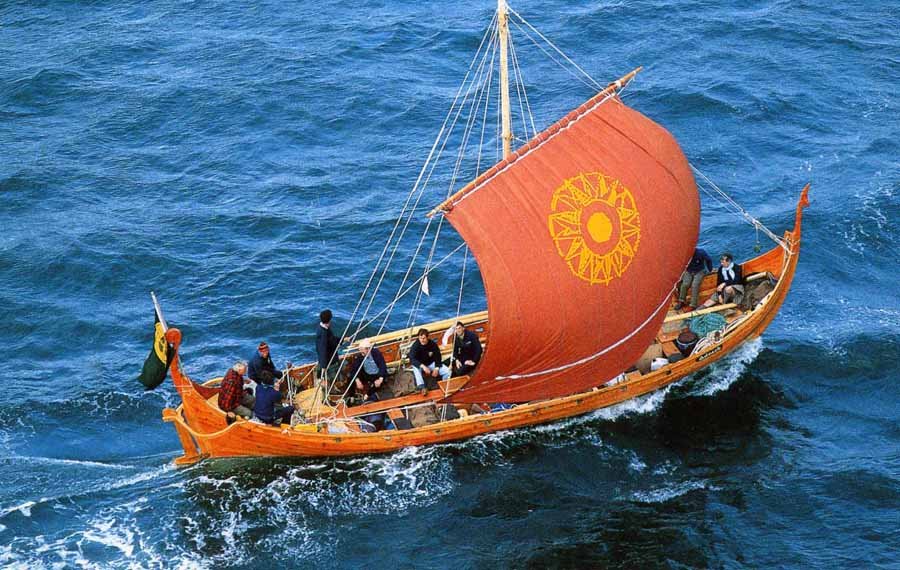
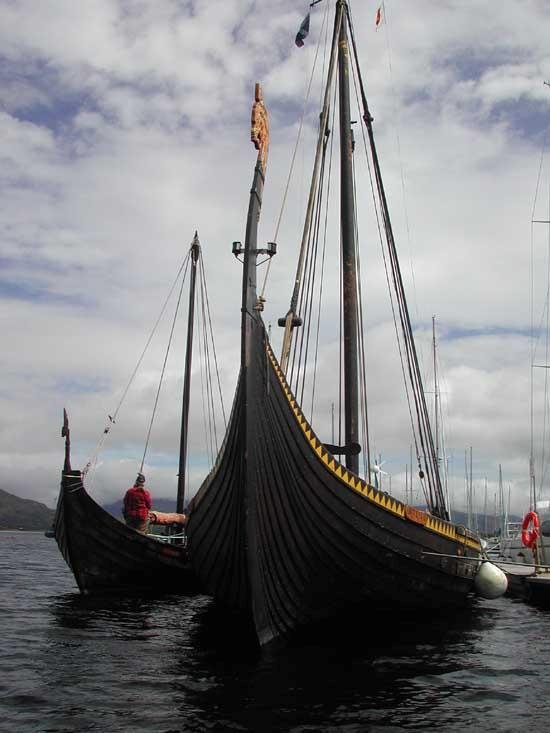
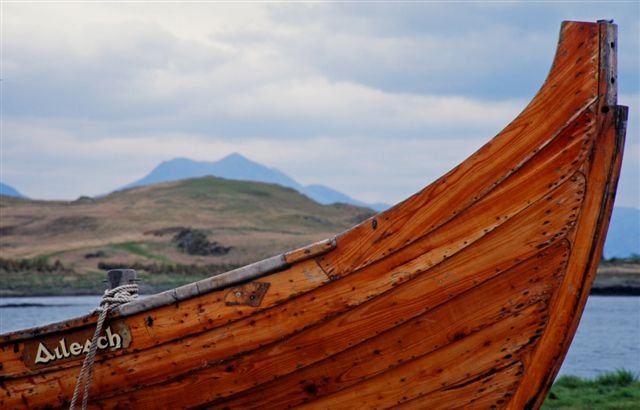
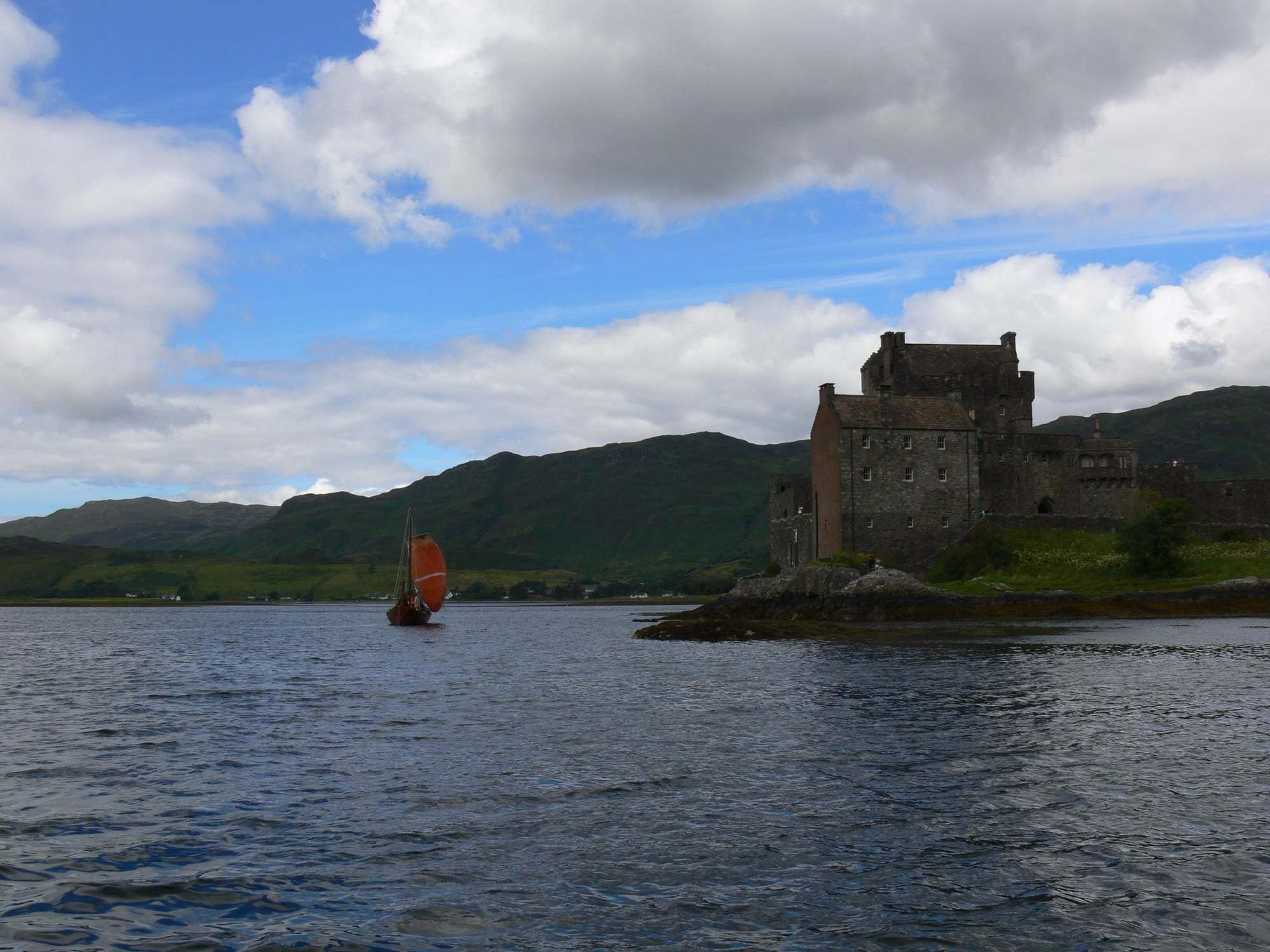
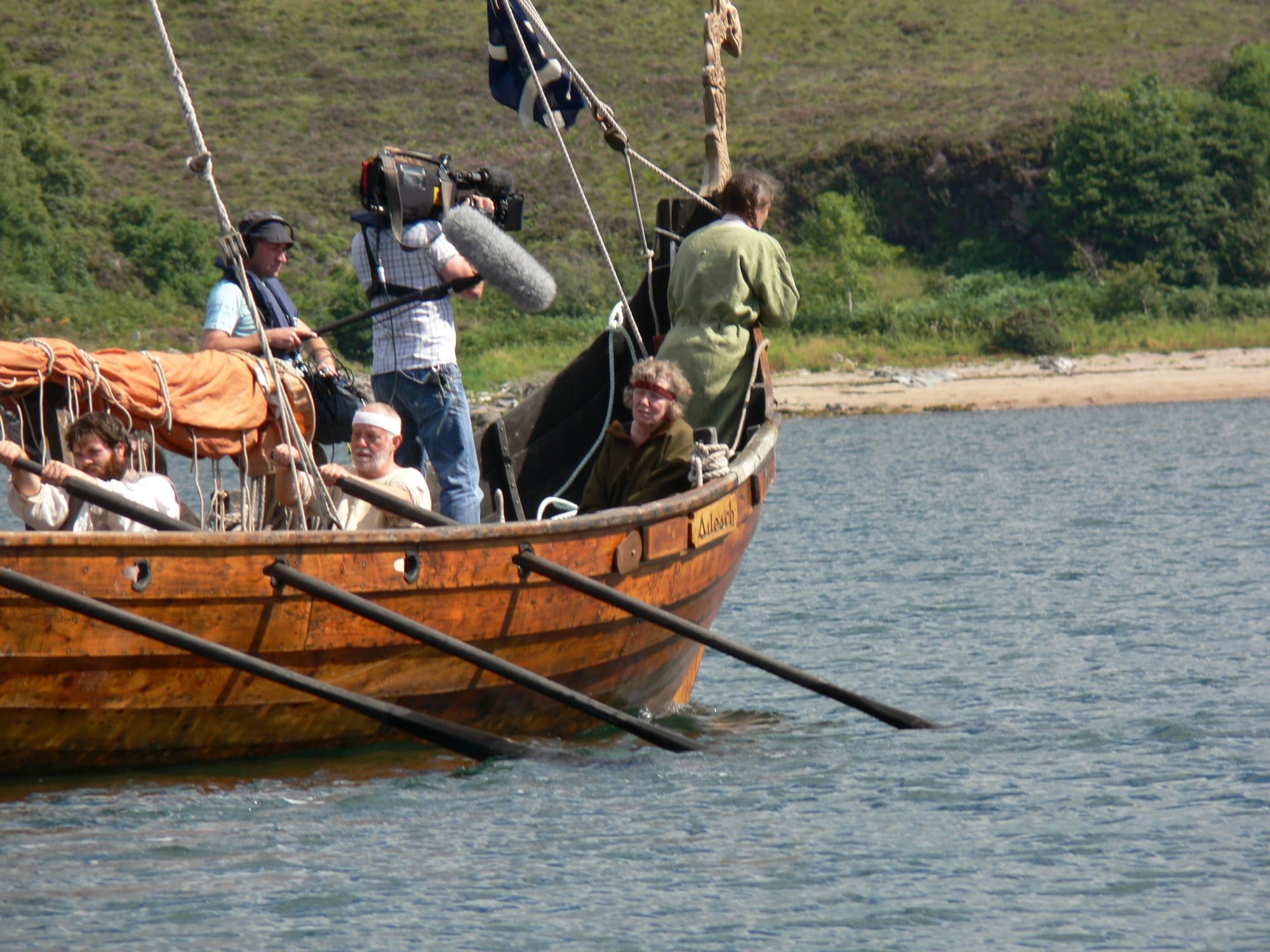
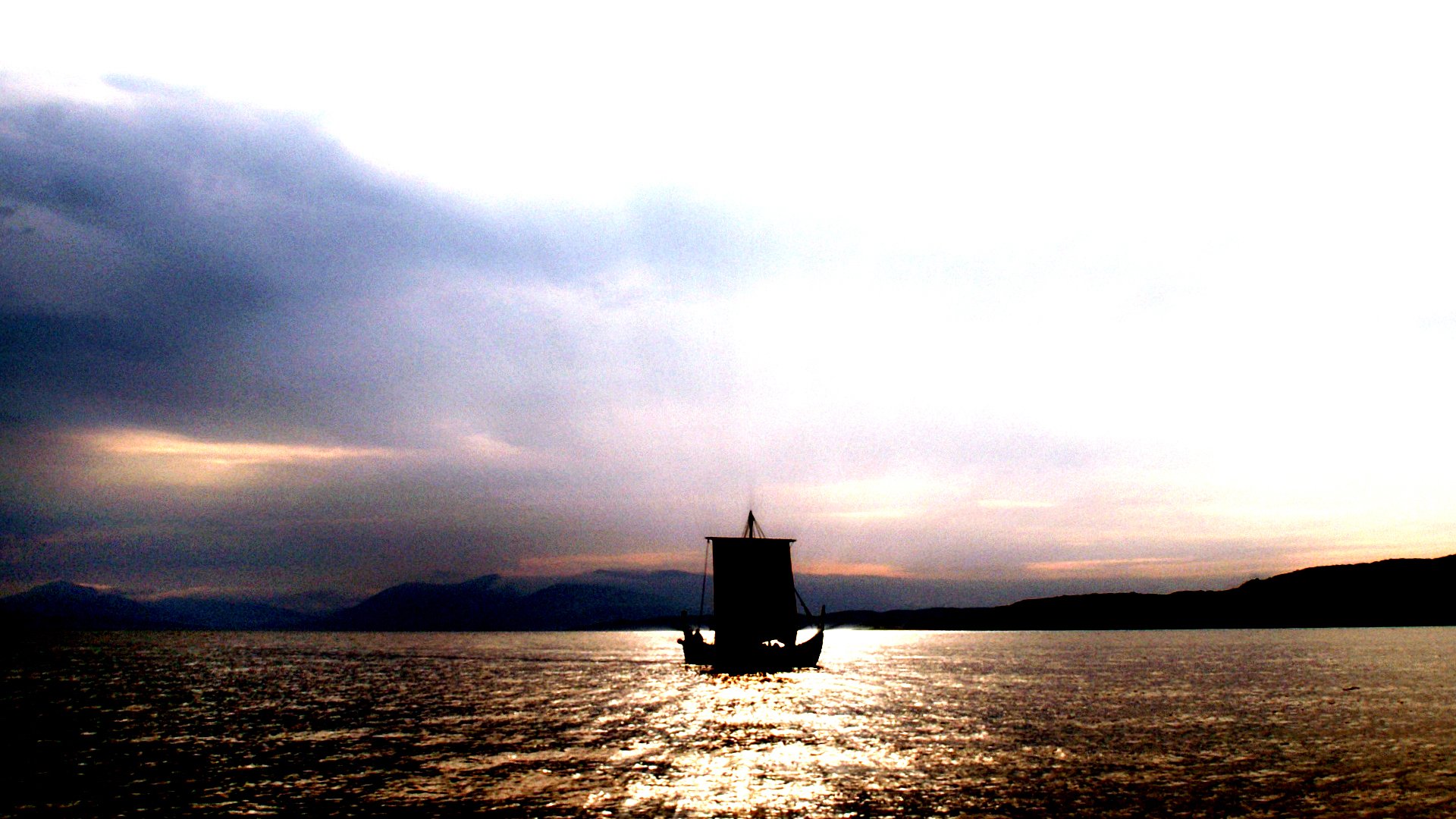
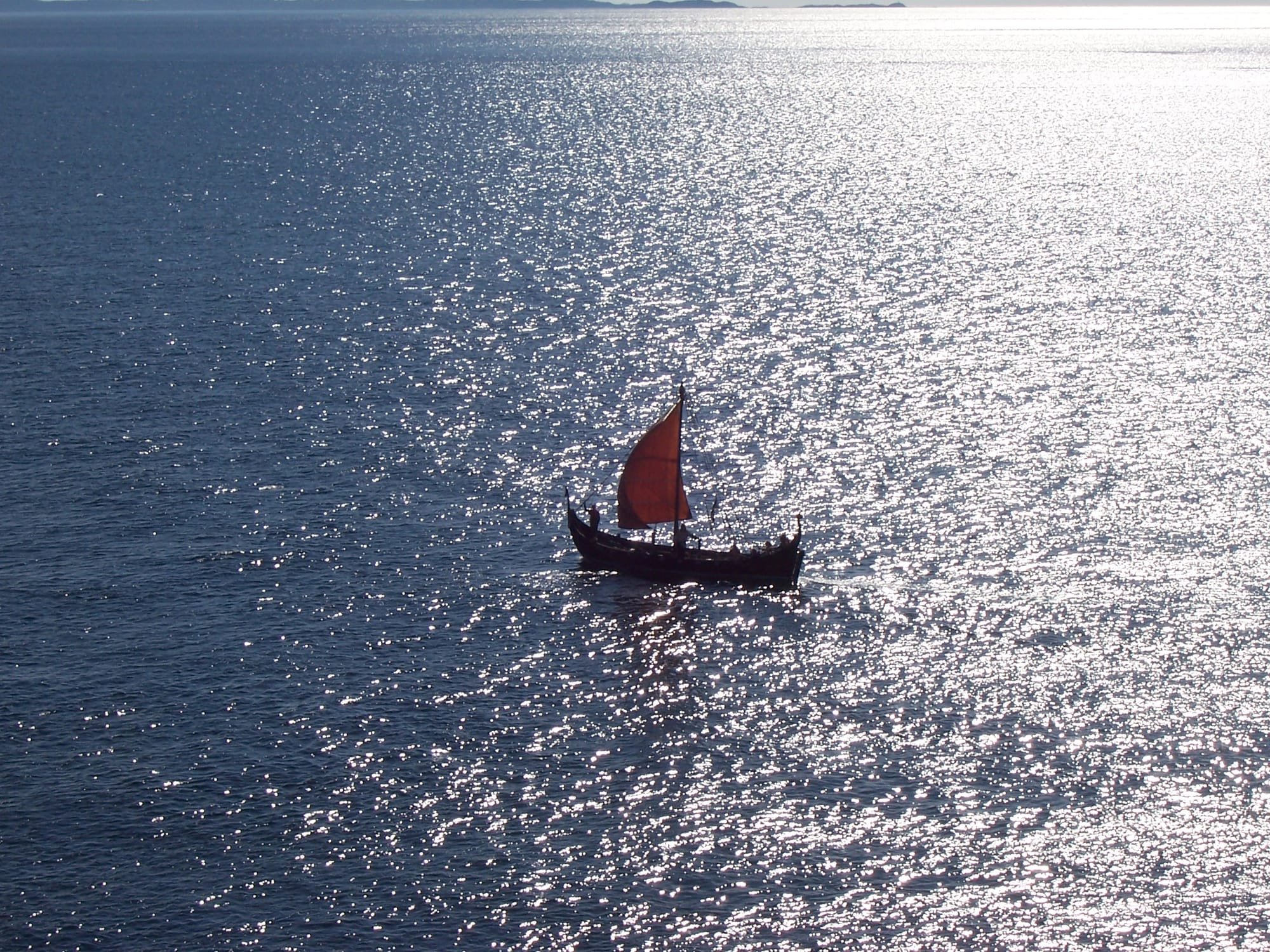
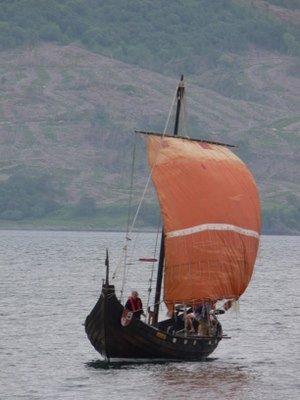
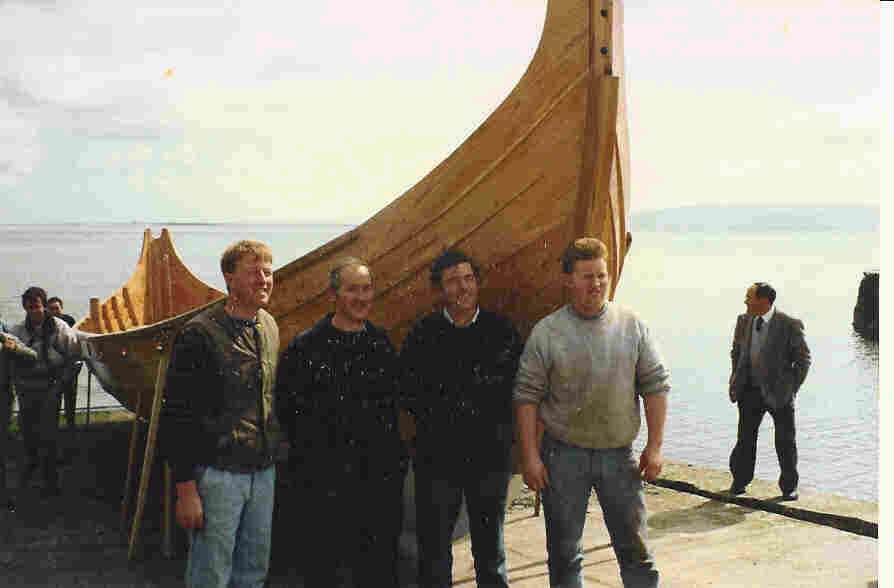
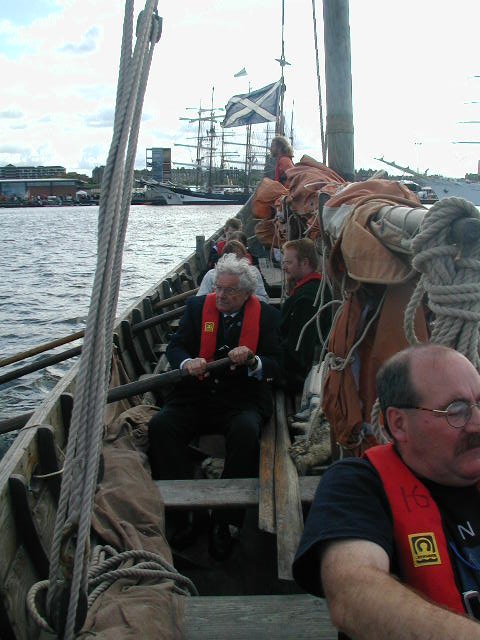
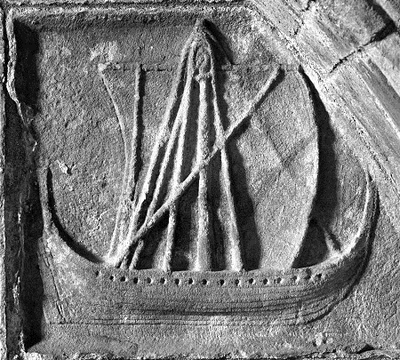
| Aileach was built in 1991 at the MacDonald boatyard in Moville, Co. Donegal, Eire, where the family have been building wooden boats since their ancestors fled Scotland in 1745. She was designed by Scotsman Colin Mudie - famed for his modern yacht designs as well as important historic replicas. The primary purpose behind her building was to further knowledge of the design and use of Celtic Galleys. No remains of Celtic Galleys have ever been recovered, although the Trust is keen to encourage archaeological exploration for galley remains. Unlike the longships of the Vikings, galleys were not preserved in burial mounds. In Scotland timber was precious. When a galley became old the sound planks were re-used, others burned for fuel. The uses of such vessels are well remembered. The un-decked galley was the vessel developed from Viking lines which enabled Somerled, the founder of Clan Donald, to break the power of the Norsemen in the twelfth century. For the next 400 years these beautiful craft, swifter and more manoeuvrable than their forbears, formed the sole means of communication in the kingdom created by Somerled and his sons. Their domain spanned 25,000 square miles and 500 islands. The design of Aileach was based on quite detailed representations of galleys on medieval grave slabs, found in the Hebrides and all along the western seaboard of Scotland. The effigy which provided the most detail is on a MacLeod gravestone at Rodel Church on Harris. Estimations of length and beam came from Scottish State Papers as well as from the interpretation of carvings. Celtic Galleys are distinguishable from Norse longships by having a straight sternpost on which a rudder is hung, instead of a steering-oar over the starboard side. The design of Aileach's tiller was difficult as there are no tillers represented in the carvings. Aileach has a double-handed tiller, curving around her wide stern. Aileach is a light boat, designed to flex in waves, and with her shallow draft she can negotiate shallow channels and be hauled up beaches out of the reach of bad weather. |
Contact Us
DONATE
Please help us to create a wonderfully suitable building to protect Aileach and display her to visitors at her best